I didn’t really understand the word “tween” until I tried to raise one. I thought it was just an age — a marketing category somewhere between toys and makeup, chapter books and young adult shelves. A convenient label for kids who had outgrown little but hadn’t quite grown into big.
But living with a tween feels less like a number and more like a border crossing. My daughter lives between two countries now.
My daughter lives between two worlds now
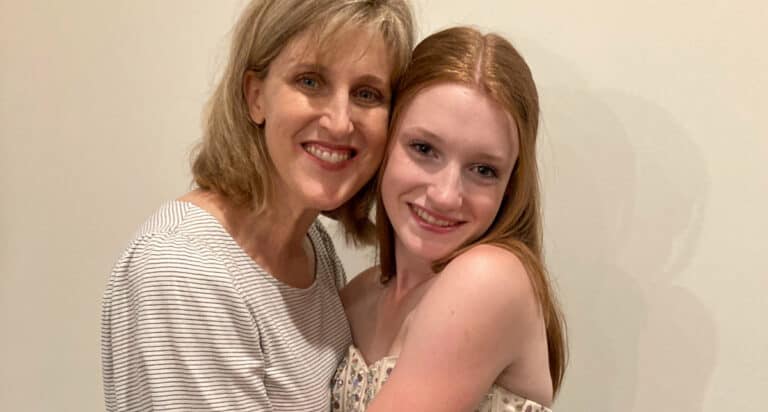
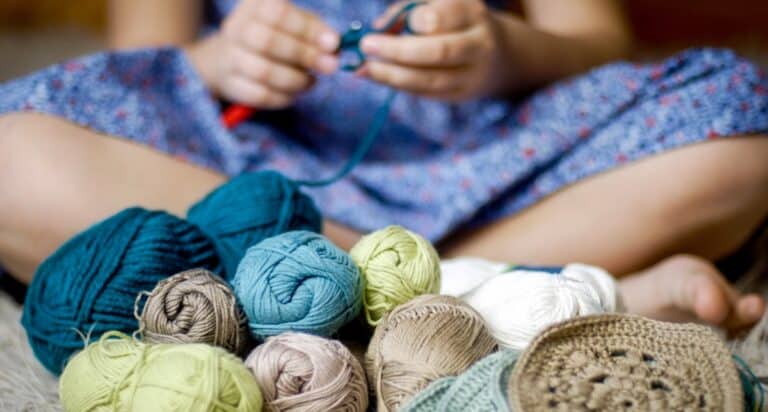
In one, she still climbs into my bed after a bad dream. She makes me friendship bracelets and doodles during class and presents them to me like treasures. In the car after school (when she’s in the mood, of course) she tells me every detail of her day in a single breath.
She insists she’s too old for stuffed animals but still rearranges them when she thinks no one is paying attention. She still asks me to stay a minute after lights out — not because she needs anything, just because she likes me there.
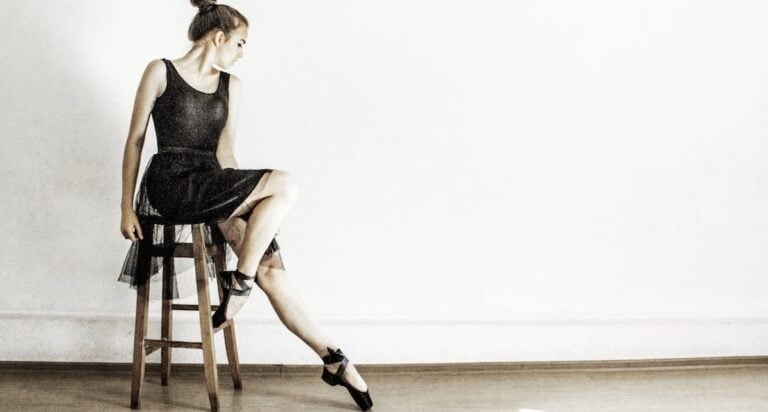
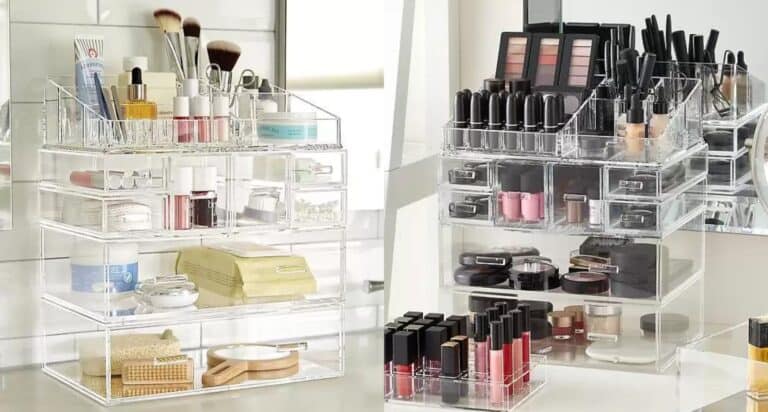
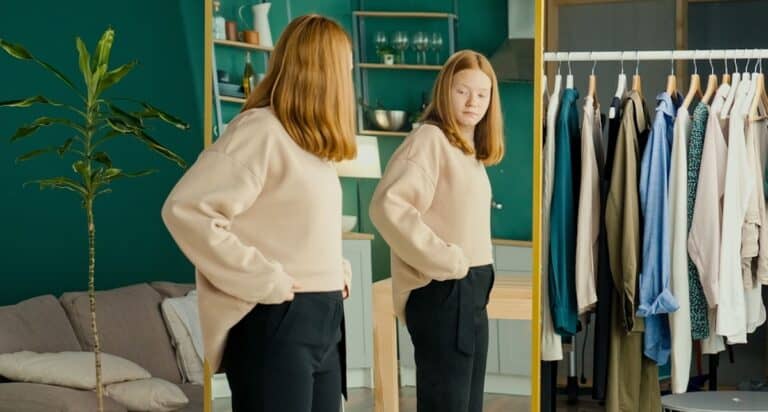
In the other country, everything feels more foreign. There are strong opinions now. New phrases I apparently use wrong. Friends who matter deeply until suddenly they don’t. A growing awareness of mirrors, cameras, popularity, and the exhausting work of fitting in. She comes home carrying invisible things like comparison, embarrassment, pressure. They are heavier than any backpack she’s ever worn.
She notices what people think in ways that feel heavy for someone who still asks me to check for monsters at night. Some days she crosses the border five times before dinner.
She rolls her eyes but lingers nearby while I cook. She corrects my music and then asks me to play the songs she loved when she was six. She wants independence but also wants me within reach, just in case.
I try to figure out which version of her is real
I keep trying to figure out which version of her is the real one, the confident almost-teen with social rules I don’t understand, or the little girl who still folds herself into my side when the day is too much.
The answer, of course, is both. The hardest part of parenting this age is learning you live there too. You become a citizen of both countries, offering independence in one moment and comfort in the next. Letting go while staying close. Respecting the person she’s becoming while protecting the child she still is.
Childhood doesn’t end all at once. It loosens.
She packs toys into a box then sleeps with one tucked under her pillow. We still read bedtime stories and they’re my favorite part of the day. Some things fade. Others hold on tighter.
Sometimes for a moment she comes back to who she was
And then, unexpectedly, we stepped outside of it for a while. Away from school expectations and the quiet pressure to act older than she feels, we spent long days together where no one her age was watching. And my daughter softened back into herself. Not younger. Not older. Just freer.
She wore a Snoopy hat everywhere, the kind she would normally decide was “too much. She spent her money on stuffed animals without hesitation. She held my arm in line and didn’t check who was looking. She hugged me without the brief pause I’ve started to notice at home.
For a few days she wasn’t standing between anything. She ran ahead and came back just to tell me something small. She asked questions she didn’t already know the answers to. She laughed with her whole body.
In-between years aren’t a bridge, they’re a place of overlap, where both exist at once
I realized I’d been asking the wrong question. I’d been wondering which version of her was real, the child or the almost-teen. But the in-between years aren’t a bridge from one to the other. They’re a place of overlap, where both exist at once and the world slowly starts pulling harder on one side.
The trip didn’t change her. It simply quieted the noise that tells kids who they’re supposed to be. And without that pressure, she didn’t rush forward or backward. She just settled into herself.
Eventually, we came home. Life resumed. The border reopened. The opinions returned. The carefulness returned. The invisible weight settled back onto her shoulders piece by piece. But now I know she’s still in there. Not lost. Not replaced.
Just learning how to carry two versions of herself while the world insists she choose one.
And maybe my job isn’t to push her forward or pull her back. Maybe it’s to protect the spaces where she doesn’t have to choose. Because every once in a while, when the pressure lifts, she steps out of the middle and simply comes back to me.
More Great Reading:
Four Ways to Navigate Tween and Teen Mood Swings and Emotions