She got the sweatshirt in April. The right one — the school at the top of the list, the one
the family had visited twice, the one whose name produced a nod at dinner parties that required no follow-up. Her mother ordered it the night of the acceptance, express shipping, and it arrived two days later in a flat-rate box that sat on the kitchen counter until the whole family was home.

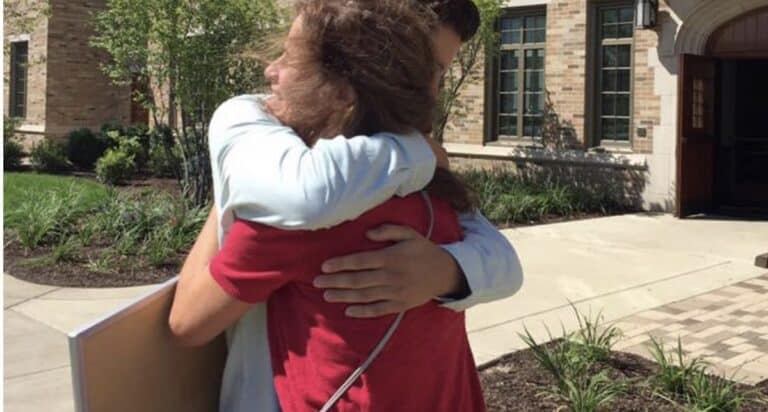
They did the whole thing. The photo on the bed, sweatshirt, pennant, confetti her younger brother found in the party supply drawer. The video went to the family group text. Her grandmother called from the car to share in the squeals. The celebration was real. The pride was earned.
Why many students are lonely in college
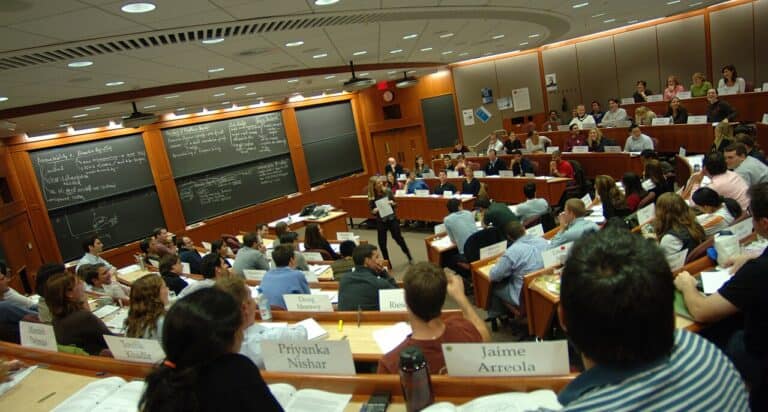
Five months after being accepted into that college she was eating dinner alone in a dining hall that seated four hundred. Not every night. Most nights she had someone to sit with, a girl from her floor, a lab partner, the loose social cluster that forms in the first weeks when everyone is auditioning for a life. But on the nights when the cluster didn’t materialize and the dining hall was loud and full of people who appeared to have found what she was still looking for, she sat with her tray and her phone and a loneliness she had not told her parents about.
The celebration had created a contract: this is where you wanted to be, this is where you are, the story is finished. The loneliness felt like a violation of that contract rather than what it was, the ordinary, survivable cost of becoming a person in a new place.
I’ve watched people plan weddings and it’s similar to the college process
I have spent more than twenty years sitting across from families in this process. Every fall I watch them plan the most elaborate “wedding” imaginable. Venues are researched. Guest lists are optimized. The flowers, the rankings, the acceptance rates, the prestige of the name on the sweatshirt, are all selected with extraordinary care. Families drive hundreds of miles to stand in front of buildings they will never enter again.
And nobody is preparing for the :marriage.” The wedding is the arrival: the name, the ranking, the sweatshirt, the photo on the bed. The marriage is the Tuesday in February when nothing is planned and nobody is watching and your teen has to figure out what to do with an afternoon that belongs entirely to her.
Six experiences are crucial for college success
A 2014 Gallup-Purdue Index surveyed more than 30,000 college graduates and asked the
question the brochures never ask: are you thriving? Not employed. Not credentialed.
Thriving.
Six experiences predicted it:
- A professor who made her excited about learning.
- A professor who cared about her as a person.
- A mentor who encouraged her goals.
- A long-term project.
- A job or internship where she could apply what she was learning. A
- Deep involvement in something she cared about.
Only three percent of graduates reported having all six. One in four reported having none. The name on the diploma did not predict whether a graduate was thriving. What she did
when she got there did. The six experiences were not reserved for the most selective schools. They were available at every institution, every semester found by the students who showed up ready to look for them.
When our teens call from college, we want to fix their problems
After all the tours and the spreadsheets and the test prep and the midnight tabs, the thing that predicted thriving was not the wedding. It was the marriage. The girl in the dining hall called her mother in November. Not with a crisis but with the truth. She was lonely. Her mother wanted to fix it. She had phone numbers. She had the housing office, the dean of students, the parent liaison she had met at orientation.
She did not call them. She said: “That sounds really hard. I’m sorry it’s hard.” She held the phone and held the silence and held the space between what she could do and what her daughter needed to do for herself.
By February, her daughter had found a study group and a professor who remembered her name. Not because anyone fixed it. Because the loneliness was survivable, and surviving it was the marriage.
Sometimes the hardest thing to do is nothing
The mother told me afterward what the call had been like for her. She said it was the hardest thing she had done in the entire process, harder than the tours, harder than the spreadsheet, harder than the two rejection letters she had opened alone in the car before her daughter got home so her face would be ready. The call was where she did nothing. And doing nothing was the thing that mattered most.
Before the deposit goes in, or you begin shopping for that perfect dorm, sit with your student and ask one question: What would you do on a Tuesday in February when nothing is planned and nobody is watching?
Their answer or inability to answer is more useful than any ranking. Now is the time to start helping them notice those answers for themself — the small, ordinary moments that tell them how a place actually feels, and the hard feelings (like loneliness) that they are capable of surviving.
The wedding lasts one weekend. The marriage lasts four years.
More Great Reading:
College President and Dad: How to Help Teens Find a College With Good Fit
I Had a Miserable Freshman Year in College. How I Turned It Around